Disease-Resistant Fruit Trees for Idaho

fruit tree orchard

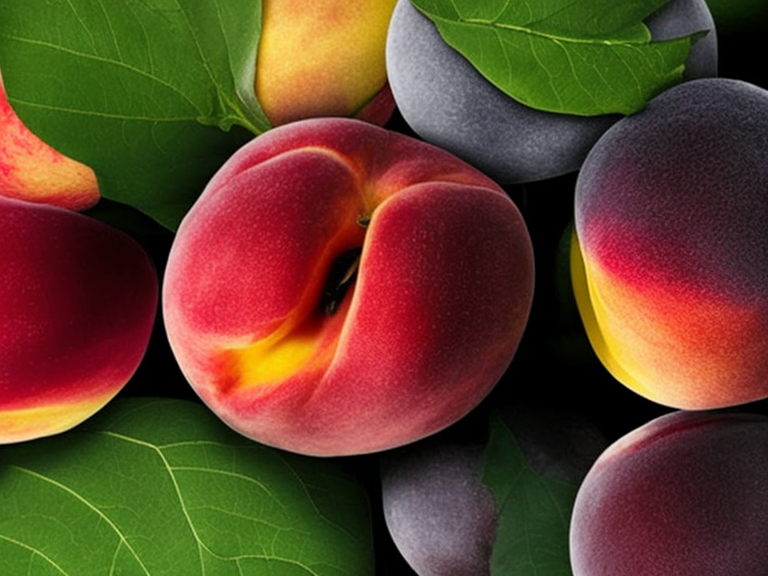
Organic Pest Prevention and Recommended Varieties Growing fruit trees in Idaho (Zones 4–7) requires selecting varieties that resist common diseases while thriving in the region’s climate. Organic pest management is critical to maintaining tree health without synthetic chemicals, which often harm beneficial insects and soil ecosystems. This guide explores disease-resistant apple, peach, plum, and cherry … Read more

Why to Plant Bare Root Trees and Which Ones to Plant

Bare root trees offer numerous advantages for home gardeners seeking self-reliance, cost-effectiveness, and robust orchard establishment. Unlike container-grown trees, bare root specimens are dug during dormancy, shipped without soil, and planted directly into the ground, promoting faster root adaptation and reduced transplant shock [B-1]. This method is particularly advantageous for fruit trees like apples, peaches, … Read more

Plan Ahead for Bountiful Harvest in Idaho

Idaho fertile land

Maximizing Spring Planting for Self-Reliance in Idaho: High-Yield Seeds, Trees, and Perennials Imagine standing in an orchard in Idaho, where the winters bite hard (Zones 4–7) but the summers offer a long, dry stretch of warmth. In this landscape, growing fruit trees isn’t just about planting seeds; it is about partnering with the local climate … Read more

A Guide to Growing Hot Peppers Indoors

Growing Peppers Indoors

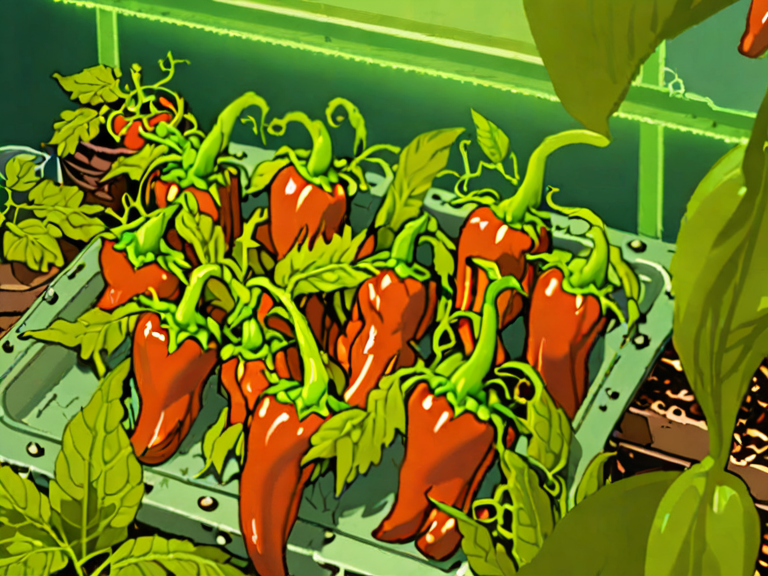
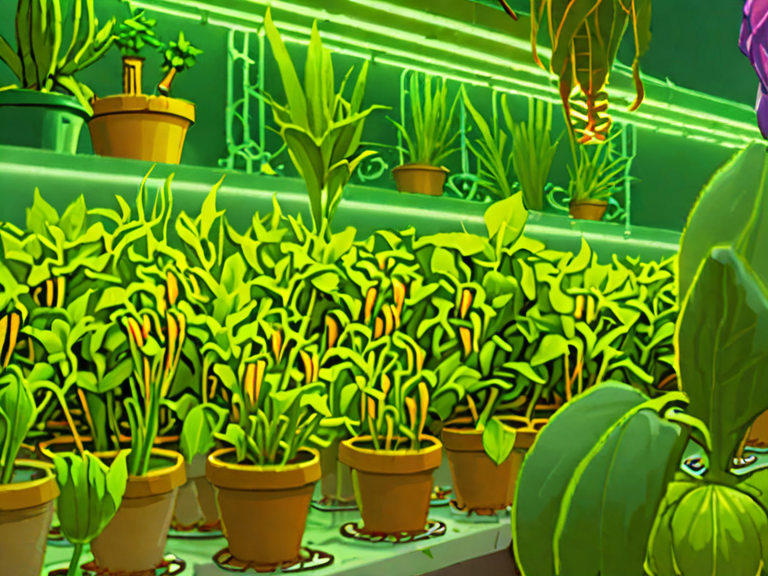
While many gardeners opt to grow their hot peppers outdoors, it’s entirely possible to successfully cultivate these spicy plants indoors. Growing hot peppers indoors requires careful consideration of the plant’s specific needs and a willingness to provide the necessary conditions for optimal growth. First and foremost, it’s essential to select a variety of hot pepper … Read more

Starting Hot Pepper Seeds Indoors

Starting Hot Peppers Indoors

Are you excited to grow your own hot peppers this summer? Starting hot pepper seeds indoors in January is an excellent way to get a head start on the growing season. In this article, we’ll walk you through the process of starting hot pepper seeds indoors, using the right supplies and techniques. Supply List: Important … Read more

Feeding Rabbits Solely from a 1/4 Acre Plot

Rabbit by Fence

Feeding rabbits from a rabbit feed recipe that incorporates tree fodder and mealworms requires careful consideration of the nutritional needs of your rabbits. Tree Fodder/Mealworm Rabbit Feed Recipe (Full Replacement) This recipe serves as a full replacement for commercial pelleted rabbit feed, incorporating tree fodder and mealworms to provide essential nutrients. Ingredients (per pound): Grain … Read more

Raising Quail

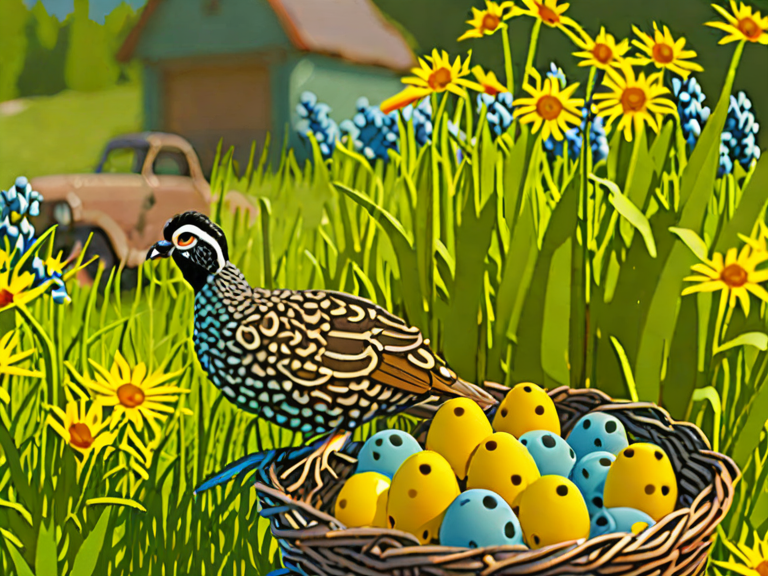
Mountain Quail

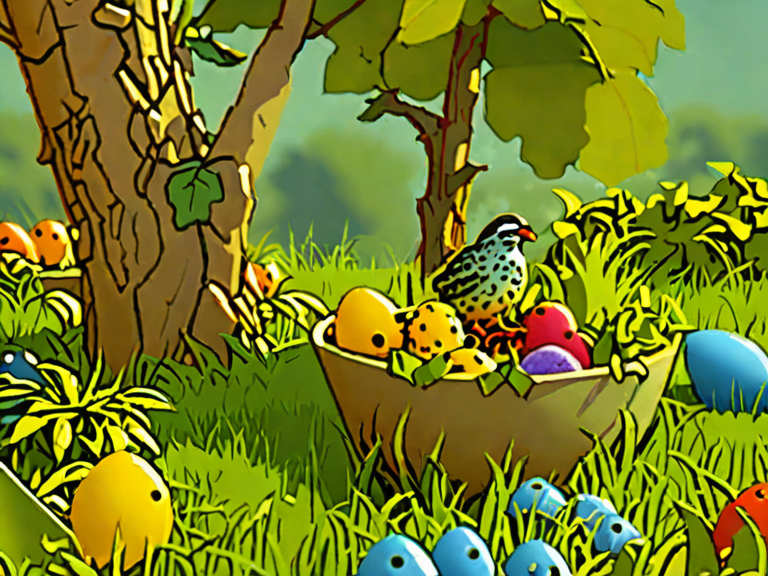
Raising quail for meat and eggs is a great option for small-scale animal husbandry in your 1/4 acre plot. Here are some advantages of raising quail: Pros: Cons: Quail Housing: To raise quail successfully, you’ll need to provide them with suitable housing that includes: Feeding: Quail have specific dietary needs that require: Tips for Raising … Read more

Growing Mealworms as Food for Quail

Growing Mealworms to feed Quail

Growing mealworms (Tenebrio molitor) specifically for feeding quail requires a controlled environment and specialized equipment. Equipment Needed: Environment Needed: Mealworm Life Cycle: Feeding Mealworms: Harvesting Mealworms: Regulations: By following established protocols for growing mealworms, it is possible to grow high-quality mealworms specifically for feeding quail.

The Nutritional Value of Quail Eggs and Meat

Quail and Quail Eggs

Quail eggs and meat have long been prized for their delicate flavor and nutritional value. When raised on a healthy, organic, and natural diet, these tiny animals provide an incredible source of macro and micro nutrients that can benefit human health in numerous ways. Learn about the nutritional value of quail. Macro Nutrients: Micro Nutrients: … Read more

Phase 2: Expansion and Diversification (Year 2-5 on 1/4 Acre Plot)

1/4 Acre Idaho Homestead

Animal Husbandry Introducing small animals like chickens, ducks, or rabbits for meat and eggs can provide a steady supply of protein-rich food. Here are some details on the advantages of this type of expansion and diversification: Chickens Ducks Rabbits Composting Establishing a composting system can provide a natural fertilizer for the raised beds. This can: … Read more